Family Photo MakerFamily Photo Maker

Diwali family portraits

First Diwali With the Baby, Even If the Parents Are in Another City

The first Diwali with a new baby is supposed to be crowded in the best way. Grandparents want to hold the child under the diyas. Aunts want a photograph in new clothes. Instead, the parents who would have hosted are in another city for work, or for a visa timeline that did not care about the calendar. You light what you can in a smaller room. You send pictures of the baby in the outfit they were meant to be seen in. The replies come back full of love and a little grief: we should have been there. The baby will not remember the gap. The album will, unless you make a portrait on purpose.

The lights went up in two apartments

Festival photographs in a family that spans cities tend to split along the same line as the flights. One apartment has the rangoli and the good lamps. Another has the baby and the exhausted new parents. A third has the elders who should not travel this year. Everyone has a piece of the night. Nobody has the picture that would have hung in the hallway: three generations, festive clothes, the newest person in the family visible and awake.

New parents also do not have spare hours. A baby’s first festival is loud, sweet, and short. The window when the child is calm enough to be photographed may not overlap with visiting hours or a video call. If you wait for a night when grandparents can arrive and the baby can perform, you may wait until the child is walking. The first Diwali will have passed without a portrait that includes the people who most wanted to be in it.

Separate selfies make a different kind of first. Photograph the baby at home in good light, even if that is a morning rather than the peak of the evening. Ask the parents in the other city for clear front-facing photos. Ask the grandparents for the same. Upload each person on their own. Family Photo Maker composes one portrait. There is a dedicated Diwali look, Family Glow, built for this kind of gathering, and you can also place the same faces in generations, heirloom, family love, and natural light scenes.

The portrait is print-ready. You can send a file to the city that could not host, print a small one for the baby’s room, and keep another for the elders. Up to fourteen people can appear, pets included, which leaves room for siblings, cousins, and the dog who sat through every lamp being lit. One portrait uses forty-five credits. You are not claiming that everyone stood in the same courtyard. You are refusing to let a work assignment erase the child’s first festival from the family record. A second generation in an heirloom look can hang after the lamps are put away, so the same faces last past the week of the festival.

Clothes can be whatever people could put on that day. If someone has festive wear, they can wear it in their selfie. If someone does not, the glow of the scene still holds. What matters is faces: the baby’s, the missing parents’, the grandparents who would have traveled if traveling were simple. The lights in two apartments become one picture you can actually keep.

If this is the year the host city and the baby’s city are not the same place, start collecting photos before the busiest night. Generate the portrait when the last face arrives. Give the grandparents something that is not a cropped video still. Give the baby a first Diwali photograph that includes the people who could not walk through the door.

How to make a first-Diwali portrait from two cities

Photograph the baby when they are calm. Collect selfies from the parents who could not host and from anyone else who should be in the frame. Choose a glow scene or a generations look, then print. Morning pictures of a newborn often serve the portrait better than a tired festival-evening shot. The scene you pick can still feel like lamps and gathering.

  1. 1

    Photograph the baby on a quiet morning

    Festival evenings are often too much for a newborn. A clear, front-facing photo in daylight will serve the portrait better than a tired night shot. One baby per photo. You can still choose a scene that feels like evening light.

  2. 2

    Ask the other city for selfies, not a group pose

    Parents, grandparents, and siblings each send their own photo. Front-facing, unobstructed faces, decent light. Pets get their own upload. You can include up to fourteen people in the finished portrait.

  3. 3

    Start with Diwali Family Glow, then try heirloom looks

    There is one dedicated Diwali preset. Pair it with family love, generations, heirloom, and natural light if you want a second version that reads more like a lasting print than a festival card. Each generation costs forty-five credits.

  4. 4

    Send the print-ready file to both apartments

    Download once and share. The household that hosted and the household that could not host should both be able to print. The baby’s first Diwali then exists in more than one city.

A Diwali glow, and the quiet portraits around it

Start with Diwali Family Glow when you want the festival in the picture. Use generations, heirloom, family love, and natural light when you want the same faces in a portrait that can hang all year. Forty-five credits pays for each generation. Print a copy for the apartment that hosted and the apartment that could not.

Only one dedicated Diwali scene is available so far (Diwali Family Glow). Related Traditional, Baby and Family, and Creative looks fill the rest of the grid so you can still make a generations or heirloom portrait of the same people.

Looks for a first festival when the family is split

Family Glow for the night you meant to share

The dedicated Diwali scene is the one to try first if you want lamps and warmth in the picture. It holds a baby, parents, and elders in one gathering even when the uploads came from two addresses.

Generations for the hallway print

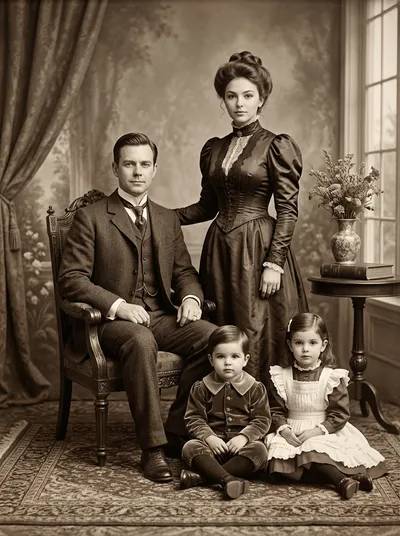
If the grandparents want something that can hang in March as well as in October, a generations portrait keeps the faces without tying them to one evening. It is a good second generation from the same selfies.

Heirloom style for elders who missed the trip

An heirloom look is a respectful way to include people who could not travel. It photographs well on paper and does not ask anyone to perform festival energy they did not have that week.

Natural light for a baby who will not face a flash

Newborns often look their most like themselves in window light. Photograph them that way, then let the chosen scene supply festival or classic atmosphere. You are not limited to evening photos. A calm morning picture of the baby plus selfies from the other city is a better first-Diwali record than a blurry night video.

Family love when you want the people more than the lamps

If the dedicated glow scene feels too much for a tired household, family love still holds the baby, the missing parents, and the elders. Print it. The festival can live in the caption you write on the back of the frame.

When a Diwali portrait from selfies is the right gift

Parents working in another city during the festival

They still belong in the baby’s first Diwali picture. A selfie from their apartment is enough. Place them beside the child they could not hold that night.

Grandparents who should not fly this year

Send a print-ready portrait instead of asking them to travel. Include them from a clear photo taken at home. The baby still meets them in the frame.

A nuclear family far from the rest of the relatives

Cousins and aunts can be added from their own selfies, up to fourteen people. You get a festival gathering without booking a hall.

A pet who sat through every lamp

Upload the animal separately. They can appear in the glow scene with the baby. Fourteen spots in the portrait are enough for a full household plus pets.

Siblings who could not take the same leave

Brothers and sisters in other cities send selfies. They still stand in the baby’s first festival portrait. The file can travel to every apartment that lit something that week.

From two incomplete albums to one first-Diwali portrait

Before, each city kept its own photos: lamps in one, the baby in another, elders on a video call. The first festival existed as pieces. Nobody had a print that told the whole story.

After, separate selfies became one print-ready portrait. The parents who could not host are in it. The baby is in it. The elders are in it. The lights still happened in more than one room. The picture finally holds them together. Print a copy for each city so the first festival is not only a message thread.

Frequently asked questions

Is there a dedicated Diwali style?

Yes. Diwali Family Glow is the dedicated scene. You can also use generations, heirloom, family love, and natural light for additional portraits of the same people. There is not a large Diwali library yet; the related note on this page explains the mix.

Can we include relatives in another city or country?

Yes. Each person uploads a separate selfie. The portrait does not require a shared courtyard or a shared night.

How many people can be in the portrait?

Up to fourteen, including pets. Each portrait costs forty-five credits.

Will it print well as a gift for grandparents?

Yes. The file is print-ready for photo paper, frames, and canvas. Download and print locally in each city if you want copies in more than one home.

When should we photograph the baby?

Whenever they are calm and well lit, even if that is morning. You do not need a photo taken during the busiest hour of the festival. Window light on a quiet day will serve the portrait better than a tired night video.

Related pages

Give the baby a first Diwali that includes everyone

Upload separate selfies and get one portrait you can print, frame, or send. No studio visit.

Start a portrait